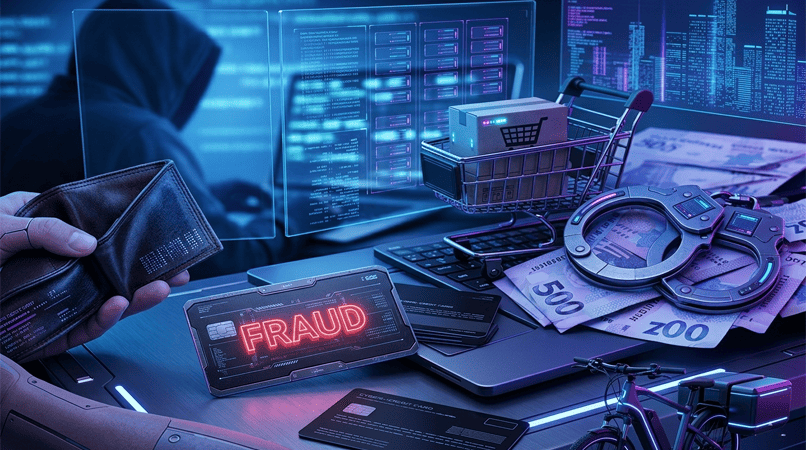
In the world of peer-to-peer (P2P) commerce and digital services, the phrase "Just send a small deposit to my card to reserve it" is often the first step toward a total loss of funds. While mobile banking has made transfers instant and convenient, it has also become the primary tool for social engineering and payment fraud.
At EXMON Escrow, we believe financial sovereignty requires vigilance. Here is a comprehensive guide on why direct card-to-card (C2C) prepayments are risky and how to navigate these transactions safely.
1. The Psychology of the "Small Deposit"
Fraudsters rarely ask for the full amount immediately. They use a tactic called "Micro-Scamming":
- The Hook: An item or service is offered at a slightly below-market price to create a sense of urgency.
- The Request: "I have three other buyers. Send just 10-20% to my card now, and I’ll take down the ad."
- The Result: Once the "small" amount is sent, the seller disappears, or worse, begins inventing "shipping fees" or "insurance costs" to extract more.
2. Why Bank Transfers Offer Zero Protection
Many users mistakenly believe that having a seller’s full name and card number provides security. In reality:
- Irreversibility: Unlike credit card transactions, C2C transfers via banking apps are considered "voluntary payments." Banks almost never perform a chargeback for these.
- The "Drop" Account: Professional scammers rarely use their own cards. They use "drops"—accounts rented from third parties or opened using stolen identities. Even if you report the account, the real perpetrator remains anonymous.
- Triangulation Scams: A seller might give you the card number of an innocent third party from whom they are buying something. You pay for the scammer’s purchase, the third party sends the goods to the scammer, and you are left with nothing.
3. Red Flags to Watch For
Beyond the request for prepayment, look for these technical and behavioral indicators:
- Channel Switching: The seller insists on moving the conversation from a secure platform (like an exchange or marketplace) to a private messenger (Telegram, WhatsApp).
- Sense of Urgency: Using phrases like "Only today," "Someone else is coming to see it," or "I need the money for an emergency."
- Inconsistent Data: The name on the bank card does not match the name of the profile or the person you are speaking with.
- Refusal of Escrow: If a seller claims that using an escrow service is "too complicated" or "takes too long," they are likely avoiding the accountability that comes with a locked transaction.
4. Technical Details: Beyond the Basics
Virtual Cards and Neo-Banks
Scammers often use virtual cards from digital-only banks that have lower KYC (Know Your Customer) thresholds. If the BIN (Bank Identification Number—the first 6 digits of the card) identifies the card as a "Prepaid" or "Virtual" card rather than a "Debit/Credit" card issued by a major institution, exercise extreme caution.
The "Screenshot" Trap
Never trust a screenshot of a "shipped" label or a "processed" refund. These are easily forged using basic HTML editing or Telegram bots designed specifically to generate fake banking UI.
5. Practical Safety Checklist
If you must deal with a new seller, follow these steps:
- Verify the Identity: Ask for a short video of the product with a piece of paper showing the current date and your name.
- Check Social Proof: Look for established profiles. However, remember that "aged" accounts can be hacked or bought.
- Use Escrow Architecture: Instead of a direct transfer, use a smart-contract-based or neutral third-party escrow. This ensures that the "Proof of Payment" is linked to a "Proof of Delivery."
- Zero-Fee Awareness: Be aware that professional escrow environments (like EXMON) often offer competitive structures where the security far outweighs the cost of a potential scam.
6. Case Study: The "Remote Freelancer"
A company hires a developer for a "quick fix" and agrees to a 30% prepayment to a personal card. The developer provides a GitHub link and a LinkedIn profile. After payment, the developer blocks the client.
The Lesson: Social media profiles are not collateral. Only funds held in a neutral state (escrow) act as true collateral for both parties.
7. Advanced Scams: The "Refund" and "Overpayment" Maneuvers
Experienced fraudsters sometimes use the card transfer system to flip the script on the buyer.
- The "Accidental" Refund: A seller may claim they received your deposit but "their account is frozen," and they will send a screenshot showing a pending refund. They then ask you to send the money to a different card. In reality, the refund never exists, and you end up paying twice.
- The "Internal Error" Technicality: The scammer may send you a phishing link that looks like a bank’s "Accept Funds" page. Instead of receiving money, you are entering your CVV and SMS code, which grants them access to drain your account.
8. The Metadata of Fraud: Identifying "Burner" Identities
In the cypherpunk tradition, we value privacy, but scammers use anonymity as a shield for malice. You can often spot a professional scammer by analyzing their digital footprint:
- Account Age vs. Activity: A Telegram or forum account created three years ago with zero activity until today is likely a "bought" account.
- Phone Number Geolocation: If the seller’s bank card is issued in one country, but their phone number or IP address points to a completely different region without a valid explanation (like a VPN), the risk of a "middleman" attack is nearly 100%.
9. Why EXMON Escrow is the Logical Alternative
Traditional banking was never designed for trustless P2P transactions. It was designed for centralized, reversible commerce. When you move away from C2C transfers and into a specialized escrow environment, the fundamental mechanics change:
- Atomic Logic: The funds are not "sent" to the seller; they are committed to a secure vault. The seller sees the funds are secured but cannot touch them until the buyer confirms the result.
- Neutral Arbitration: If a dispute arises (e.g., the item is broken or the service is incomplete), a neutral third party evaluates the evidence. In a bank transfer, there is no arbitrator—once the money is gone, it belongs to the scammer.
- Privacy Preservation: Using a secure escrow service allows you to settle transactions without exposing your personal banking details or card numbers to a stranger, maintaining your digital privacy and reducing the risk of future identity theft.
10. Little-Known Fact: The "Carding" Connection
Many "sellers" asking for card prepayments are actually Money Mules. By sending them money, you might inadvertently be participating in a money-laundering chain. If that card is flagged by authorities for connection to "carding" (stolen credit card data), your own bank account could be frozen for investigation simply because you interacted with that "drop" account.
Summary: The Golden Rule
If the seller refuses to use a secure escrow service—even when you offer to cover the fees—the deal is a scam. Professional sellers who value their reputation will always prefer a system that protects both parties. Those who insist on "card-only" prepayments are not looking for a customer; they are looking for a victim.
Protect your capital. Demand Escrow. Stay Sovereign.